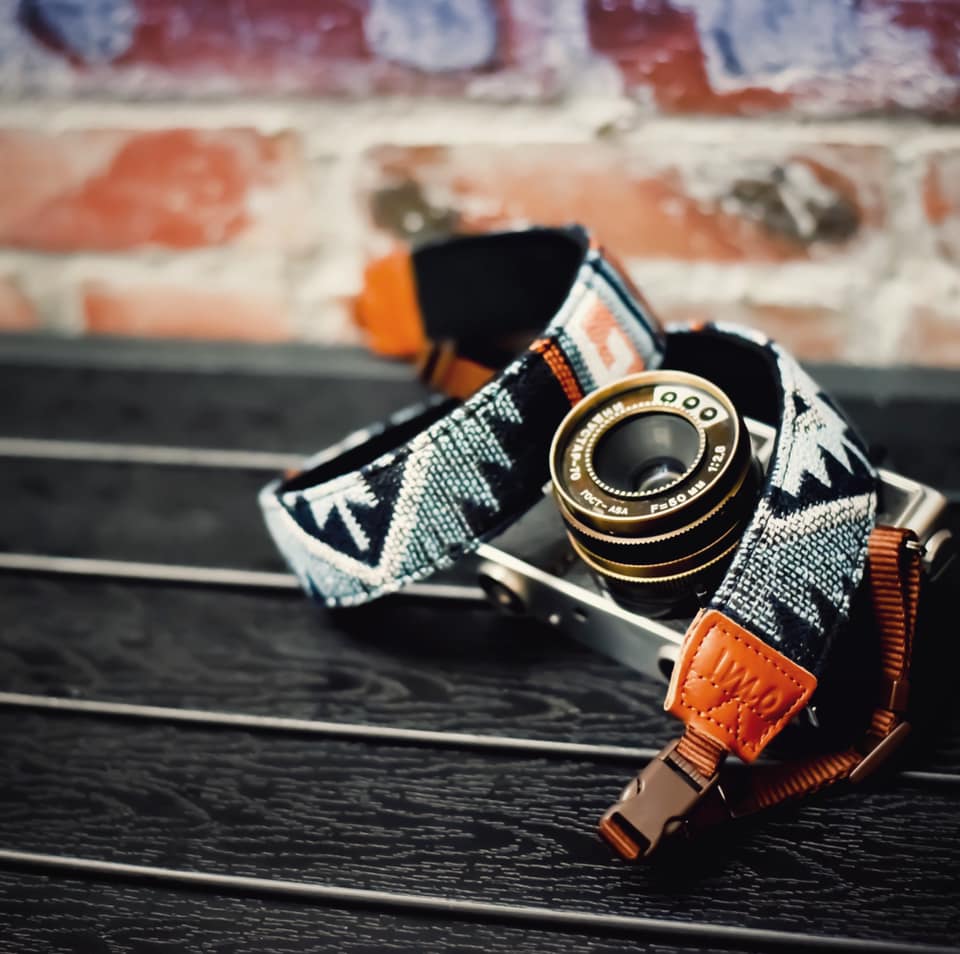
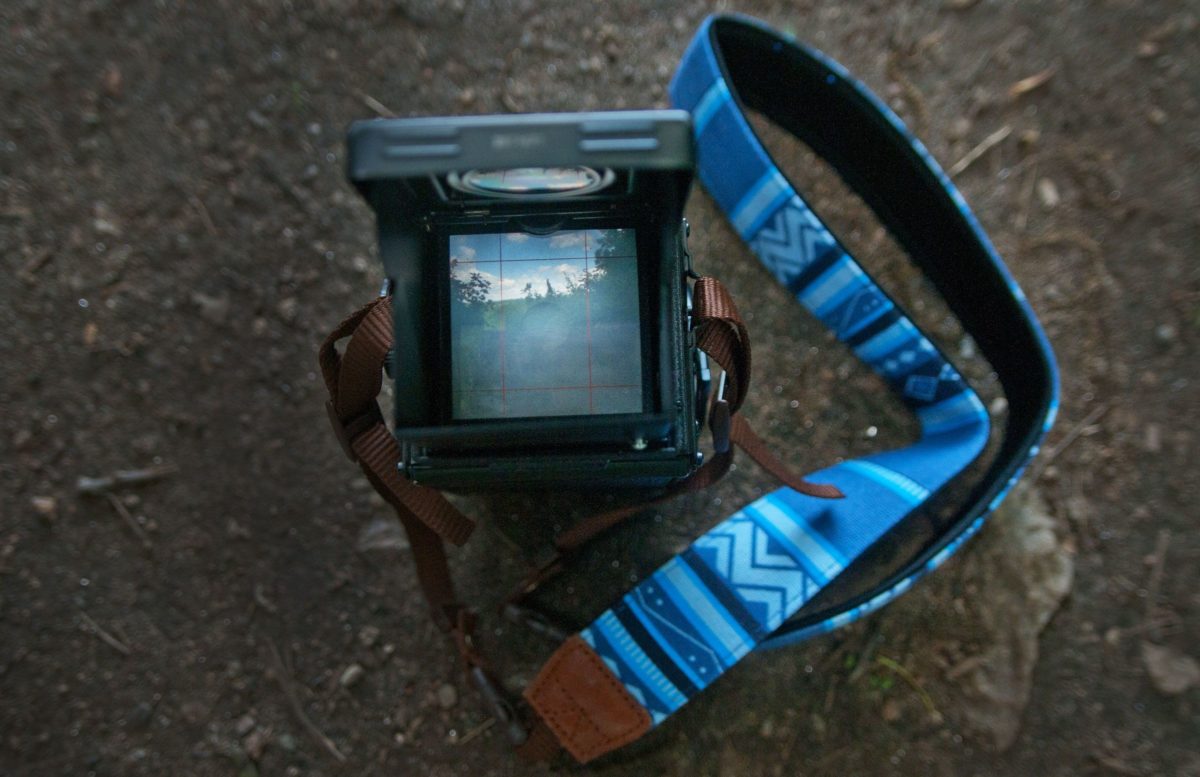
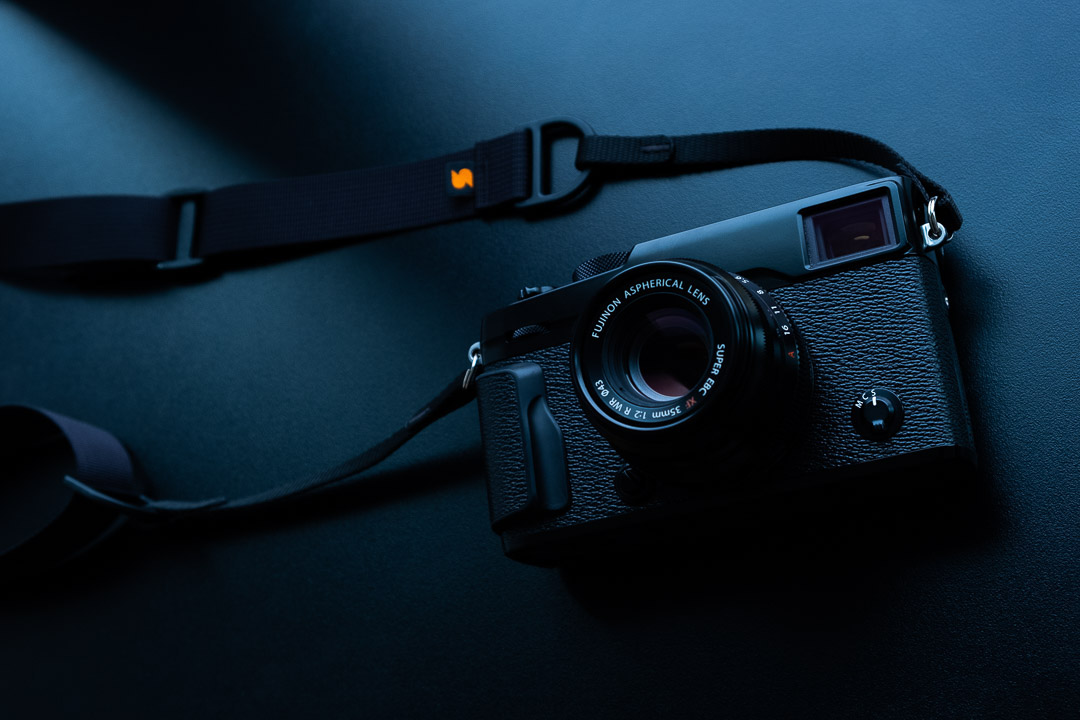
The range of cotton and neoprene DSLR camera straps available from iMo has expanded with a recent delivery of stock. This takes the range of straps available from this fun Hong Kong based design company to 30, with a wide range of patterns and styles available.
As always with iMo, you get comfort and style with a strap that is strong enough to carry any camera setup. Each strap has been tested to carry more than 40kg, and I think you’ll agree that if you camera body and lens weigh more than 40kg, you’re probably not going to wear it around your neck or on your shoulder.
I swap around my camera straps quite a lot as I like to test out a few different items from the site, but I do frequently return to the neoprene backed straps from iMo as they’re so comfortable. Having the quick release integrated into the strap is also really convenient if you’re out with your tripod doing some long exposures and don’t want the strap in the way or flapping around in the wind.
Rigu is the only seller of iMo products in the UK, making it the quickest, easiest, and cheapest way to buy one of their colourful and fun straps. Check out the range here.
Rigu has the largest selection of camera straps available in the UK. I think it might be the biggest in Europe, but there are some rope strap manufacturers who claim more as they can custom make more colourways. It’s not a competition, but I’m proud to have around 300 different camera straps ready to be dispatched and sent to photographers.
Even with that many straps available, I still see gaps that need filling in the range, and areas that need more choices. Neoprene straps were one such area.
Neoprene is a great material to use for a camera strap. It’s soft, comfortable, and it’s pretty strong too. It does have a couple of cons to balance out those pros; it stretches, and it’s usually just one colour (which is a bit boring).
iMo straps take a neoprene base layer, and then add a patterned top layer of material. This ensures that you get the benefit of the comfortable neoprene layer, whilst also having an attractive strap that doesn’t stretch. They’re strong too, having been tested to hold up to 40kg, which is far more than you’d want to carry around your neck. iMo also make cotton tape straps, and leather straps.
If you’ve been a Rigu customer for a long time, you aren’t crazy, iMo was previously available on the site 5-7 years ago. In hindsight, maybe I shouldn’t have stopped stocking their straps, as I really do like them and think they offer something that has been missing from the shop for a while, especially with their latest designs.
Since I knew what to expect from iMo, it meant that I didn’t need to do my usual sample order for a “new” brand, and was able to get in a larger number of models than I typically would. There are 23 different models available in the shop at the moment, which represents most of their range.
I recently received a box of camera straps from Simplr, restocking their range to make all their models available again at Rigu.
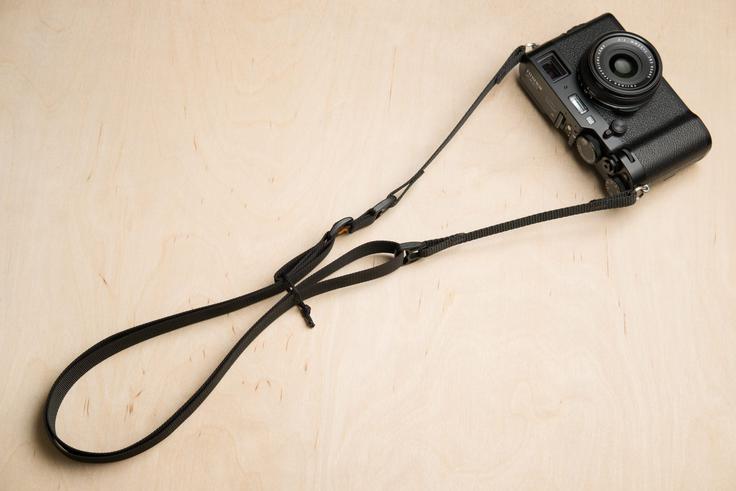
In the box was a new item, the F1 Ultralight. Simplr’s straps tend to be pretty minimalist already, but this one takes it to the next level. Here’s what JP from Simplr has to say about it:
If the F1 had a mutant superhero baby, it would be the F1ultralight.
Combine the F1’s expedition-grade construction, quick-adjustment tab, and streamlined design — with even more breathtaking lightness and slimmer proportions — and you’ve got the featherweight champion of camera straps.
With durable 3/4″ wide webbing and tiny-but-tough acetal hardware, the F1ultralight is strong where it counts. More importantly, it’s small where counts — especially near your hand where it matters most. With zero extra bulk, and sleek lug mount attachment, it’s about as close as you can get to holding a naked camera.
As the smallest cameras inherit the capabilities of their larger brethren (like the Fujifilm X100 and Sony RX1R series), so too should your camera strap — and that’s exactly what Simplr did with the F1ultralight.
Rigu is the only distributor of Simplr straps outside the USA, allowing British and European photographers to get their high-quality straps much quicker, and at a lower price than importing them direct from the US.
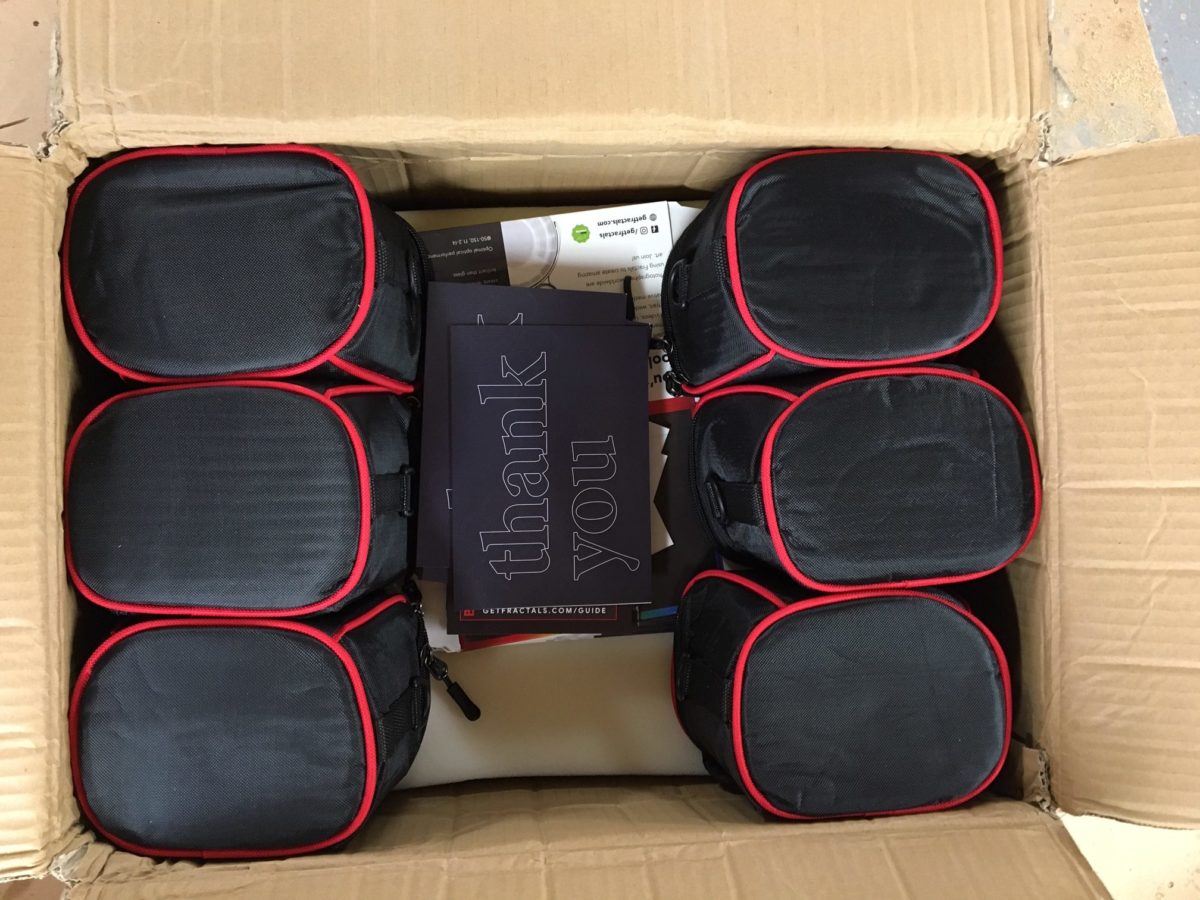
They weren’t even close to selling out, but their shelf in the stock room was starting to look a little light, so I got a few dozen more sets in of these creative prism photography filters. Want to see the Fractal Filters in action? I’ve written a couple of articles about using them in very different ways, for dreamy portraits, and in the neon jungle of Tokyo.
Rigu is the only place outside the US that you can order Fractal Filters. For UK customers this means getting them faster and cheaper than from the US, and the same goes for the EU too, though the difference is slightly reduced (it costs quite a bit to post them to Europe!).
When Rigu launched it had 10 camera straps available. Today it’s around 300, which is the most in the UK (probably the most in Europe too), catering to almost every kind of photographer.
Different connection types, styles, and materials mean that Rigu needs to stock a lot of straps to cover what everyone needs, but that can make it harder for people to find what is right for them.
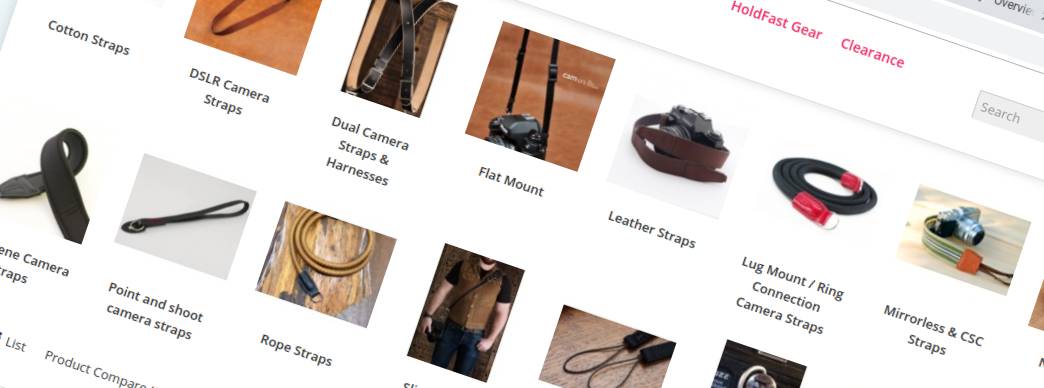
If you look at the camera straps category on the site, that’s a lot of options. Some people aren’t sure what they want, so are happy to browse and see what’s on offer. Other people know what they’re looking for and want it to be broken down further so they can see what’s available, and what will work with their camera. Rigu has always had a number of categories, but I have felt for a while that this system could be improved to make the growing selection more manageable.
Over the weekend I created a number of new categories and went through every single strap that is available on the site to re-categorise them. To be frank, it was very boring, but hopefully it will have been a productive few hours if I see people working their way through the site easier.
These new categories have also allowed me to bring together items in collections that were previously under-represented. Rigu doesn’t have a huge amount of vegan camera straps yet (though this is something I am looking to improve over the next few months), but at least now it is easy for vegan photographers to find a quality camera strap that they can be confident includes no animal products.
Similarly, I felt it was important to break down the straps in terms of what connection type they have, since if you’re looking for a lug/ring connection strap then there’s no point you looking at flat mounts (even though most of these come with rings which does complicate matters), string loop connection or tripod mount straps. This should make the process of finding the right strap a bit easier for photographers.
A number of other categories were also added (materials, and styles of strap being the major ones) which I believe should cover most of what people are searching for. If people were searching for it on the site in large enough numbers, I made a category for it, and that seems like a sensible way to deal with this.
This whole categorisation process is a work in progress and there are other things I would like to try. I would like the ability to combine categories, such as allowing people to choose lug mount straps that are also leather, but this is an additional complication that will take work. I recognise that too many categories might be a bad thing, and that it instead of making it easier, it might make the navigation process more complicated and confusing. It’s a balancing act, and I will be monitoring the stats to see if these new categories are being used and providing value to customers. Only time will tell and if you feel anything is missing or there are other categories that could be useful I’ll consider adding them into the site.
I’m looking to bring a number of new brands to Rigu over the next few months, making a wider range of camera strap (and other products) available. Hopefully, this will mean that Rigu will have something for everyone, at every budget.
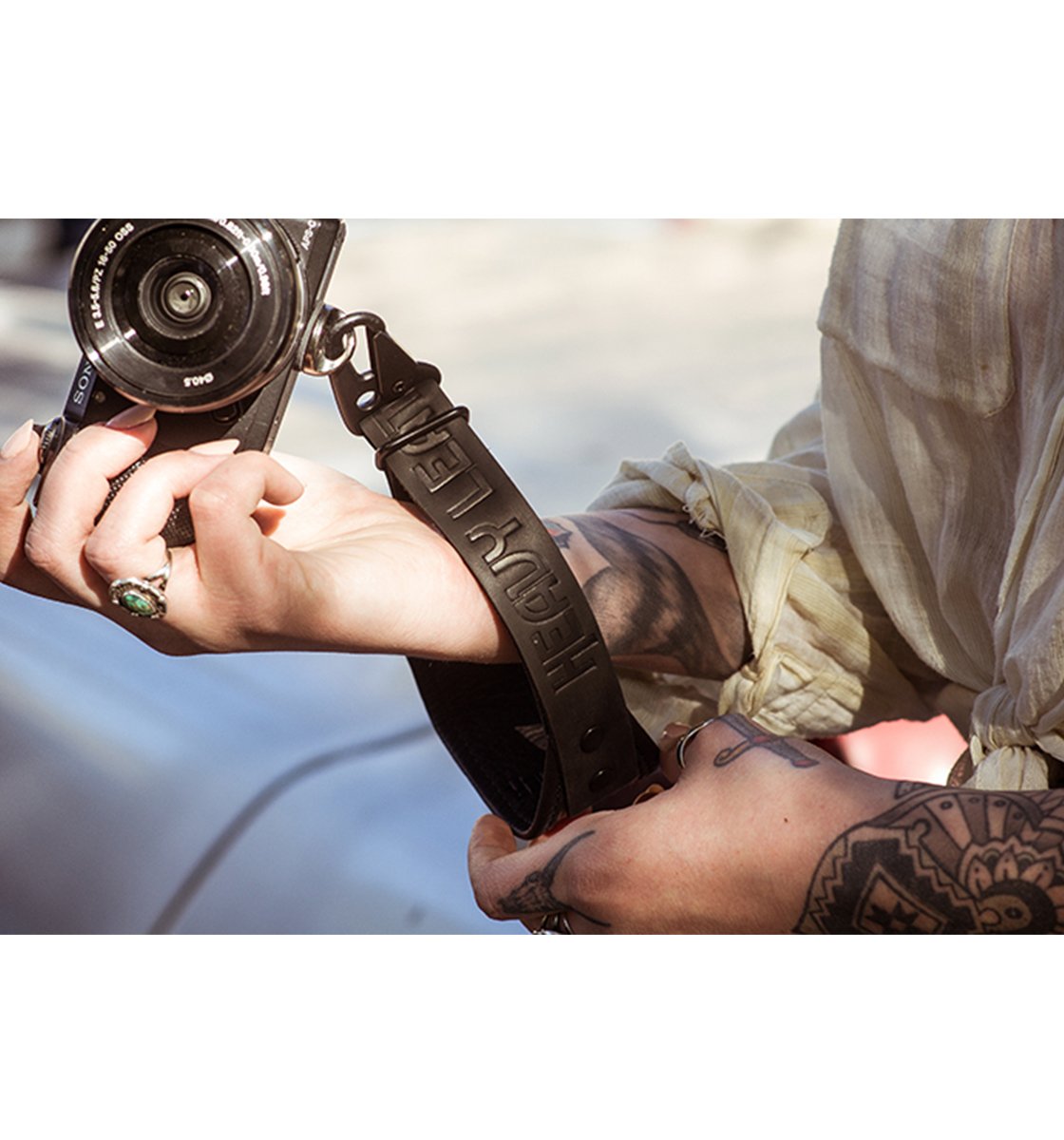
I’ve seen Heavy Leather NYC come up a few times in my travels around the internet and always admired their straps, especially their Slingshot strap (available in black or brown). It was that item that first drew me to the brand and I’m glad to have them on the site now, making Rigu their first ever European distributor.
Slings are something that I feel are a bit underrepresented with it comes to camera straps. A lot of people want to be able to wear a strap across their body, and most standard neck straps are just a little bit too short for that.
If you look for sling straps, the options are typically fairly limited, uninspiring, and very much focused on function rather than looking good. The Slingshot by Heavy Leather NYC is that most unusual combo, form and function. It’s good looks draw on their years of experience crafting guitar straps for people like Prince, Black Sabbath, and Lemmy from Motorhead, whilst also maintaining security by layering the main leather belt on top of nylon. You wouldn’t see it at first glance, but it’s there and it keeps this strap extra secure. The padded shoulder pad keeps this extra comfy, helping you get through a day of shooting.
As I say, Rachael, the owner of Heavy Leather, has a lot of experience with guitar straps and it’s fair to say that it’s mostly a guitar brand. I don’t want to stereotype rock and metal metal as being one thing or aesthetic, but that experience seems to bring something else to the straps when it comes to the design style that I don’t usually get from a camera brand. It’s a look that I haven’t had at Rigu before, and I’m glad to have it.
With Heavy Leather being mostly a guitar brand, it does mean their camera strap range isn’t huge, so I have abandoned my “dip the toe in the water” process that I usually have with new brands, and stocked their entire range from day one. Quantities are relatively limited, but everything is available and this is the best way for me to judge what items people like and get valuable feedback by having everything available.
By making Heavy Leather products available in the UK, Rigu has once again made it easier, faster, and cheaper to get hold of high-quality camera straps that would have otherwise required long waits for customs, import charges, and hassle in the event of needing to deal with customer services. Fundamentally, Rigu aims to make the process of getting cool things easier for photographers, so if you have seen a product and thought “I want it, but I don’t want to have to import it” get in touch and maybe it can become a Rigu product.
Vegan photographers were rightly excited when HoldFast Gear announced their new vegan leather MoneyMaker dual camera harness a couple of months ago, and now it’s available to buy in the UK with no import charges and free tracked delivery from Rigu!
At the start of the year one of my aims for the company to was expand the range of camera straps available, and this included options for vegan photographers. I’m not a vegan, but as a business owner it makes sense for me to cater to a variety of photographers as possible, and I would like to make sure vegans have good options when it comes to camera straps.
The problem with most vegan camera straps is that they just aren’t very good, and their vegan aspect is merely a marketing tool for a cheap plastic camera strap. The reason why Rigu doesn’t have many vegan options is because the vast majority of them are not good enough for me to sell and be confident in the product.
I was really keen to check out the vegan leather MoneyMaker, but as with all new products I have to be careful how and where I invest my money with a brand, even one like HoldFast Gear where I’ve always been impressed with their products. Due to this, I thought it best to play it safe and stick with black and brown options for the vegan leather, rather than something like the neon yellow, as that’s probably a bit more niche in terms of appeal.
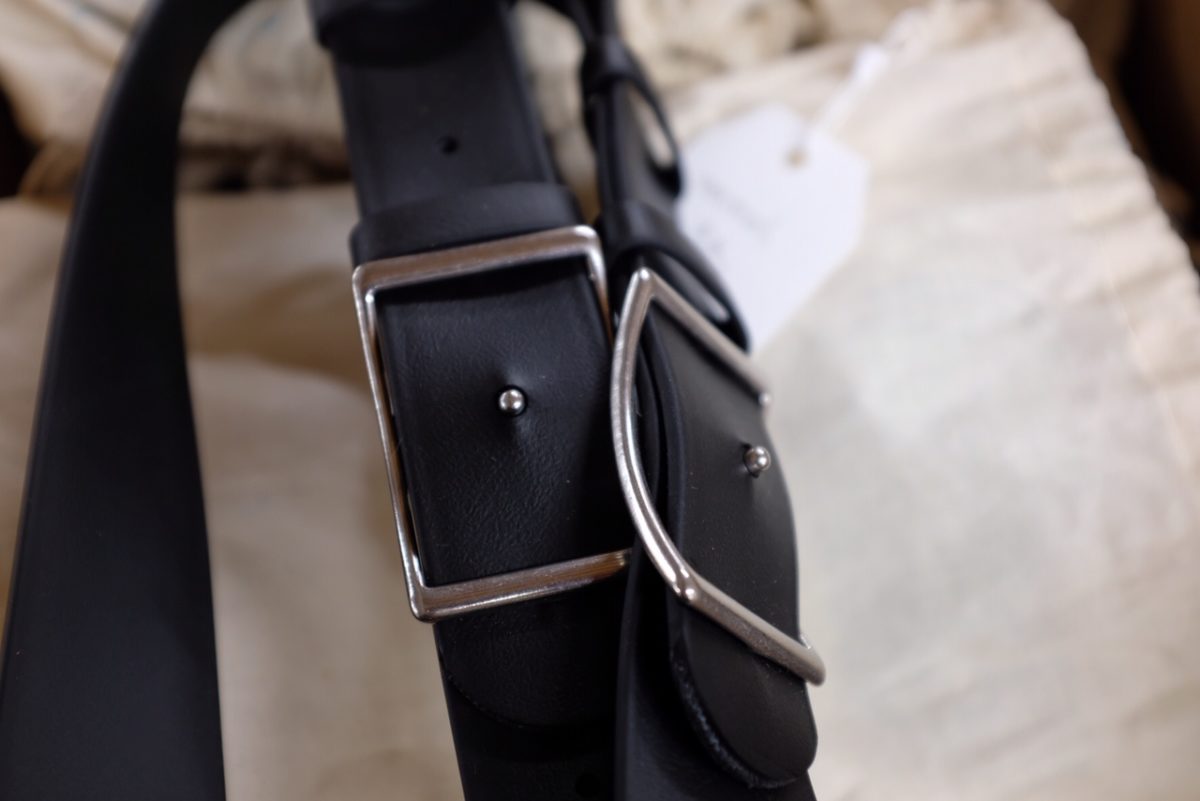
As you can see from the photos, the vegan leather MoneyMaker is very, very similar to the standard leather version. In terms of functionality there are a couple of differences. There is no version available with D-rings, all vegan MoneyMakers have no D-rings. The sliders (the part at the bottom of the harness that attaches to your camera) are not adjustable, as they are on a standard MoneyMaker. In my experience, it’s rare that people need to alter the length of the sliders on their MoneyMaker, so I don’t think that this will have too much of an impact on most people.
Other than those two things, it is functionally the same and will give the same comfort, convenience and improvements to workflow that the standard leather version would provide to a photographer.
One thing I was concerned about when placing my stock order was what the material would feel like. I’m yet to find a “vegan leather” that feels like actual leather, and that remains the case with the vegan leather MoneyMaker, but I suppose that’s not really the point of the product.
This are trying to recreate chicken nuggets for vegans so that it tastes like a chicken nugget. HoldFast aren’t trying to replicate their normal camera harness, they’re making a new product that appeals to a wide range of people whilst also meeting the needs of vegans.
It doesn’t really feel like leather, and it definitely doesn’t smell like leather. There’s a slight amount of texture on the material that is similar to the random crinkles, creases, and variations that you would expect from a MoneyMaker, but it’s not going to fool anyone into thinking it’s the real thing.
In my opinion there was no point in them trying to recreate that look and feel because it’s not currently possible as far as I’m aware, though there are some really cool projects out there which are getting much closer. Maybe they could have produced something that looked similar, but it wouldn’t have had the same durability and product lifetime (which is a major reason for picking a HoldFast product over the copycats, their harnesses last a long, long time).
For that reason I’m glad they went in the other direction and produced a MoneyMaker that is all-weather, durable, and wipe-clean. Now, as well as appealing to vegans with avoiding animal-based products, they have a product that can work well for extreme sports photographers, sailors, and anyone that works with their cameras in poor and changeable weather. Matt Swaggart (HF founder) even says that if you were to write on these harnesses with a sharpie pen it would just wipe right off. I don’t necessarily recommend that you write on your harness, but it does get across the point that this is a great option for photographers working in harsh environments where they wouldn’t want to go with a leather camera harness.
As ever, it’s important to remember that my company Rigu is the UK’s leading seller of HoldFast Gear products, and I’m a big fan of their company. It’s natural that I’m going to be positive about the new vegan leather MoneyMaker, but I do think that as a product it is something different that should appeal to both vegans and a variety of other photographers and I’m eager to see how people in the UK react to it.
Rigu has the widest selection of HoldFast Gear products in the UK, at prices that are considerably cheaper than importing them yourself from the US, and without the hassle of paying for customs & import duties, with free tracked delivery.
If you are a customer, shopping with Rigu has largely been the same over the past couple of months as normal. However, as I have only visited the office a handful of times since my last coronavirus-related post, it definitely doesn’t feel normal to me, and I just want to update people on how Rigu is doing.
Here’s where we’re at with operations at the moment:
My brother Neil is doing an excellent job getting orders sent out to the same schedule as I would normally achieve on weekdays. In this regard, nothing has changed.
The Royal Mail are doing well, and most orders are arriving within the expected delivery estimate, but there has been an increase in orders which have been arriving late. This often appears to be packages sitting at depots for an extended period. My presumption is that this is due to a reduction in capacity at depots in both the ability to sort and deliver mail and is dependent on the area you’re in. I should reiterate that most orders are arriving within the expected timeframe, but order earlier than usual if you need an item by a certain date.
Special Delivery services are still not available as an upgrade as the Royal Mail are not able to guarantee that timeframe, and I would rather not make it available than have disappointed customers.
Customer service e-mails are being responded to quicker than usual, as I am sat at home and there’s less to do here than in the office.
You are not able to contact me via the office phone number (as I’m not there), all enquiries are to be made via e-mail or social media, please.
Officially, the personalised camera strap service is not available. However, that hasn’t stopped a couple of people ordering it anyway, and in those cases me and Neil have found a workaround so that I can safely go to the workshop and personalise the strap after which Neil then packs it and preps for postage. It’s not something I want to be doing regularly (it’s an 80 minute round-trip drive to the office) but if you really need a personalised strap, it can be worked into the schedule I have for taking shopping to my family.
One thing I have been enjoying recently is going for lots of walks around the local area, and taking my camera with me too. On these walks I’ve had plenty chances to listen to business podcasts and think about ways I can improve Rigu. I am looking at new brands to bring to the site, and thinking about ways to make the site more efficient, more usable, and better for customers.
Hopefully for all the ways that coronavirus has held Rigu back over the past couple of months, it will provide a chance to focus on other aspects of the business that often get neglected because I have to deal with day-to-day issues and jobs.
As ever, thank you very much to everyone who is placing orders at the moment. I recognise that it’s a time of great uncertainty in all aspects of life, especially financially, and as I said at the start of all this, I understand that a nice camera strap is not at the top of most people’ priorities. I can only assume that there are a lot of people who have had a chance to reconnect with photography and now that they’re spending more time with their camera they want to be comfortable (and look good) whilst they’re taking photos, and I truly appreciate those people visiting Rigu.
A couple of days after lockdown began (and I stopped going to the office, leaving my brother to fulfill orders whilst I dealt with the admin from home) a box arrived from the USA full of Simplr Camera Straps.
Getting fresh stock in is great, except Simplr don’t label their straps. It would have been unfair to expect Neil to learn the differences between their models, or to label them up himself, so we decided to leave it for a while and the box sat unopened, and unavailable to customers.
That while ended earlier this week when I went in my office for the first time in… 7(?) weeks, sorted out the labels, prepped the straps, and then wiped down every surface I’d touched with antibacterial cloths so that I couldn’t risk infecting my brother.
Every item of theirs that’s listed in the shop is available again now. If you need a simple, lightweight, minimal, practical, and functional camera strap, Simplr is the right option for you.
As some of you will know, whilst I can’t get to the office due to the coronavirus my brother Neil is sending out orders to make sure Rigu is running almost as normal. As well as having his own job, and doing mine at the moment, Neil is also a member of the Langdale and Ambleside Mountain Rescue Team.
The LAMRT are a group of volunteers that go out in all weathers and at all times of day to help people that have been injured or got lost on the mountains. They are all volunteers with no members receiving payment for their work, and they receive no funding from the government.
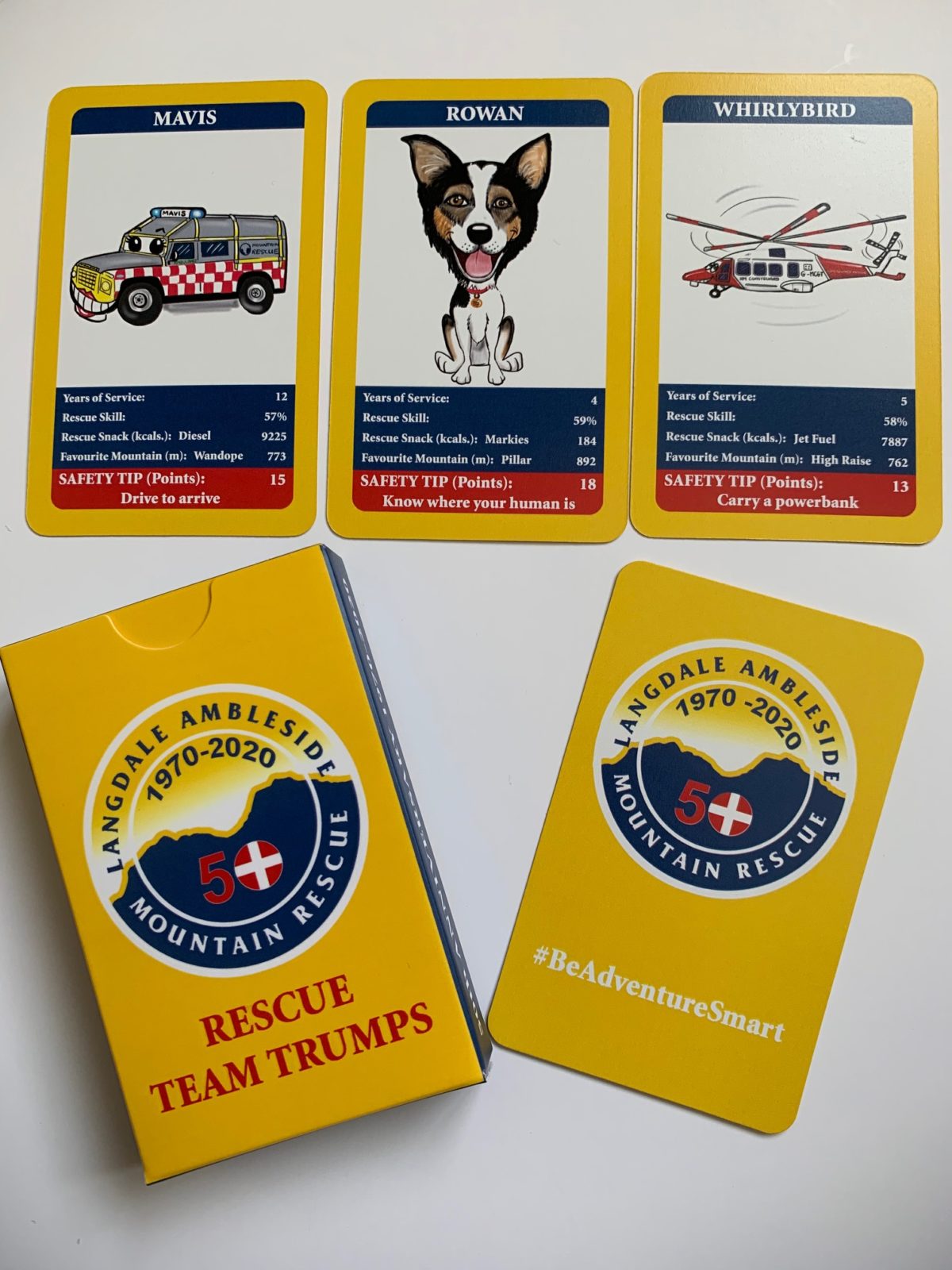
As part of the celebrations to mark the teams 50th anniversary, they have released some Rescue Team Trumps cards. These are fun cards that will give them a fundraising boost whilst also helping people (especially younger mountaineers) learn about being safe and prepared for a day in the hills.
The team do not have an ecommerce system setup, so Rigu was asked to sell the cards for them. This is of course not being done for Rigu’s profit, and it allows them to benefit from piggybacking on my system to give them volume discounts on postage, payment processing, and packaging. This allows them to provide the cards at a lower price to supporters whilst also maximising their fundraising efforts.
If you are a photographer that spends time in the Lake District and may well find yourself carried off a mountain by my brother and the rest of the team, please do consider ordering a pack of cards.